
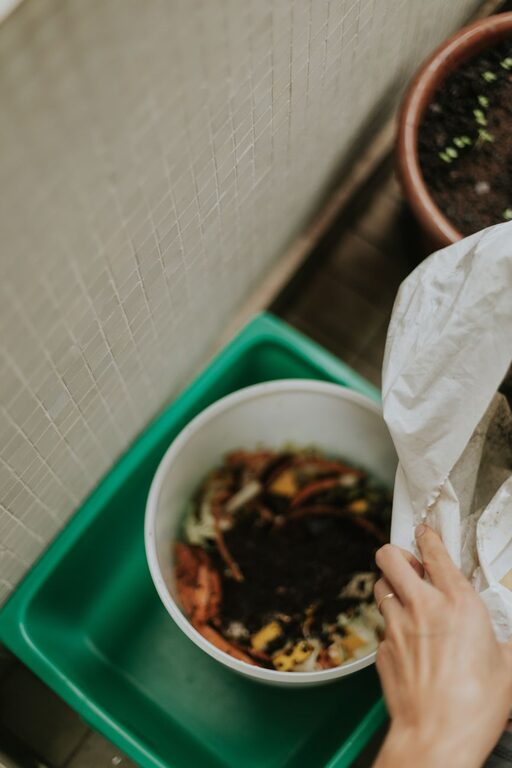
Composting is a simple way to turn everyday organic waste into a useful soil amendment. Fruit peels, vegetable scraps, dry leaves, and grass clippings can break down into dark, crumbly compost that helps plants grow.
You do not need a large yard or expensive equipment to begin. With the right container, a good mix of materials, and a little patience, composting can fit into many homes and lifestyles.
Choose the Right Composting Method
The best composting method depends on your available space, the amount of organic waste you produce, and how much time you want to spend managing the pile.
Outdoor compost bin
An outdoor bin works well if you have a yard, patio, or garden area. You can buy a ready-made bin or create one from untreated wood, wire mesh, or another suitable material. Choose a spot with good airflow and some shade, if possible.
A bin should be large enough to hold materials but easy to reach when you need to add ingredients or turn the compost. A container that is at least 3 feet wide, deep, and tall can help the pile retain enough heat for efficient decomposition.
Compost tumbler
A compost tumbler is a sealed container that rotates on a frame. Turning the drum mixes the materials and adds air without requiring a pitchfork. Tumblers are often convenient for small yards, but they can fill quickly and may require careful attention to moisture and ingredient balance.
Indoor worm bin
Worm composting, also called vermicomposting, is a practical choice for apartments or homes without outdoor space. Special composting worms process food scraps inside a ventilated bin.
Worm bins need bedding, such as shredded paper or cardboard, along with food scraps. Keep the bin away from extreme temperatures and avoid overfeeding it. When maintained properly, a worm bin produces both compost and a nutrient-rich liquid that can be diluted and used for plants.
Community composting
If home composting is not practical, look for a community garden, local collection program, or shared composting site. Some services provide small countertop containers and collect food scraps on a regular schedule.
Learn What to Compost
A healthy compost pile needs a mixture of carbon-rich and nitrogen-rich materials. These are often called “browns” and “greens.”
Browns provide carbon
Brown materials are usually dry and help create structure in the pile. Common examples include:
– Dry leaves
– Shredded cardboard
– Plain paper
– Untreated wood chips
– Small twigs
– Straw
– Paper egg cartons
Cut or tear larger pieces into smaller sections so they break down more quickly. Avoid glossy paper, heavily colored paper, and cardboard coated with plastic or wax.
Greens provide nitrogen
Green materials are generally moist and help feed the organisms that break down the pile. Examples include:
– Fruit and vegetable scraps
– Coffee grounds and paper filters
– Fresh grass clippings
– Fresh plant trimmings
– Tea leaves and some tea bags
– Crushed eggshells
A useful starting point is to combine about two or three parts browns with one part greens by volume. You do not need to measure precisely. If the pile smells bad or feels too wet, add more browns. If it stays dry and breaks down slowly, add a few more greens and a little water.
Keep Meat and Other Problem Items Out
Some materials can attract pests, create odors, or introduce unwanted chemicals. For a basic backyard compost pile, avoid adding:
– Meat, fish, and bones
– Dairy products
– Grease, oils, and fatty foods
– Pet waste
– Diseased plants
– Weeds with mature seeds
– Coal or charcoal ash
– Treated wood
– Glossy or plastic-coated paper
Commercial composting programs may accept items that home systems cannot handle, so check local guidelines before adding unusual materials.
Build the Pile in Layers
Start with a layer of coarse browns, such as small twigs or dry leaves. This helps air move through the bottom of the pile. Add alternating layers of browns and greens, and cover fresh food scraps with a layer of dry material.
Burying food scraps in the center of the pile can reduce odors and discourage pests. You can also keep a container of dry leaves, shredded cardboard, or straw next to the bin. Add a handful whenever you add kitchen scraps.
Cut large pieces into smaller ones before adding them. Smaller pieces have more surface area, allowing microorganisms to work more quickly.
Manage Moisture and Airflow
A compost pile should feel damp, similar to a wrung-out sponge. It should not be dripping wet or dusty dry.
If the pile is too wet, add dry browns and turn it to improve airflow. If it is too dry, add a small amount of water while mixing. Food scraps contain plenty of moisture, so a pile may become wetter as it grows.
Air is also important. Without enough oxygen, the pile can become compacted and develop an unpleasant odor. Turn the material every week or two using a garden fork, shovel, or tumbler handle. This moves outer materials toward the center and introduces fresh air.
A well-managed pile may warm up in the center. You do not need to measure its temperature, but warmth is a sign that decomposition is active.
Be Patient and Watch for Signs
Composting does not happen overnight. Depending on the materials, weather, and maintenance, finished compost may take a few months or longer.
A healthy pile usually has an earthy smell. It may include recognizable pieces at first, but these should gradually become less visible. Finished compost is typically dark brown, loose, and crumbly.
Common problems are usually easy to correct:
– Bad odor: Add dry browns and turn the pile.
– Too much moisture: Mix in shredded cardboard, dry leaves, or straw.
– Pile is not breaking down: Add moisture, mix the materials, and chop large pieces.
– Fruit flies: Cover food scraps with browns and avoid leaving exposed scraps on top.
– Pests: Use a secure bin, bury scraps, and leave out meat and dairy products.
– Slimy texture: Add more dry material and improve airflow.
Use Finished Compost in the Garden
Finished compost can be mixed into garden soil, added around established plants, or used as a top dressing for lawns and planting beds. A layer of compost around plants can help the soil retain moisture and support its structure.
When planting, mix a modest amount into the soil rather than filling a hole entirely with compost. Compost works best as part of a balanced soil mixture.
You can also make compost tea by steeping finished compost in water, although applying finished compost directly is often simpler and more reliable for home gardening.
Start Small and Build a Routine
The easiest way to stay consistent is to make composting part of your daily routine. Keep a small, covered container near the kitchen preparation area. Empty it into the outdoor bin or worm bin regularly so scraps do not sit indoors for too long.
Begin with common items such as fruit and vegetable scraps, coffee grounds, dry leaves, and shredded cardboard. Once you understand how your system behaves, you can adjust the mix and add more materials.
Composting is less about getting everything perfect and more about maintaining a reasonable balance of food, dry material, moisture, and air. With a little practice, your household waste can become a valuable resource for healthier soil and thriving plants.