
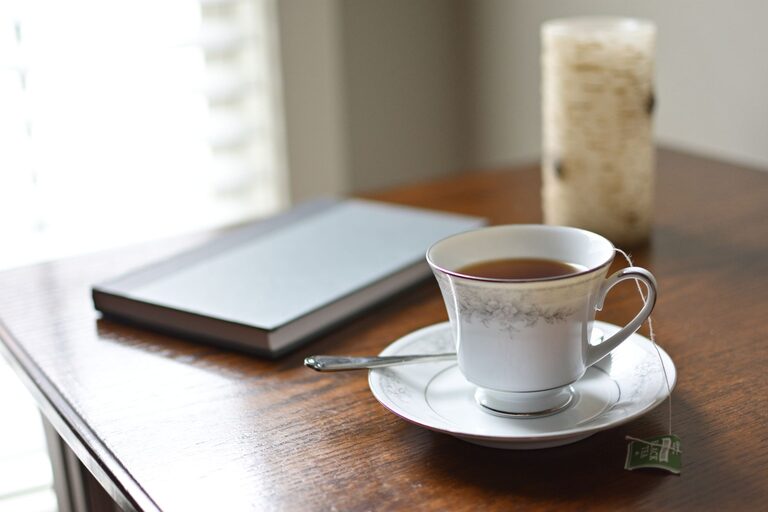
A calmer evening does not require a complete lifestyle change. Often, a few small adjustments can make the end of the day feel less rushed and more comfortable. The goal is not to create a perfect routine, but to build a series of simple habits that help you transition from daytime responsibilities to rest.
Whether your evenings are busy, unpredictable, or already fairly quiet, small changes can make a noticeable difference. Try one or two ideas at a time, then keep the habits that fit naturally into your life.
Start With a Gentle Transition
The shift from work, errands, or household tasks into personal time can feel abrupt. Creating a short transition period gives your mind and body a clear signal that the day is changing pace.
This transition might take only 10 minutes. You could:
– Change into comfortable clothes
– Wash your face or take a quick shower
– Put away your work materials
– Make a warm, non-caffeinated drink
– Sit quietly before starting your next task
– Play soft music while you tidy
The activity itself matters less than the intention behind it. Choose something that feels easy and repeatable rather than adding another demanding item to your schedule.
Reduce Evening Decisions
Decision-making can make an evening feel busier than it needs to be. A little preparation earlier in the day can help you avoid making many small choices when you are tired.
Consider preparing a few basics in advance:
– Choose an outfit for the next day
– Place keys, bags, and other essentials near the door
– Write down the first task for tomorrow
– Decide what you will have for breakfast
– Set out items you will need in the morning
– Make a short list of unfinished tasks
You do not need to plan every detail. The purpose is simply to remove avoidable choices and create a smoother start to the next day.
Create a Ten-Minute Reset
A brief reset can make your home feel more peaceful without turning the evening into a cleaning session. Set a timer for 10 minutes and focus on the areas you use most.
You might:
- Clear the kitchen counter.
- Put loose items back in their usual places.
- Load or stack dishes.
- Fold blankets and straighten cushions.
- Prepare the space where you will relax.
When the timer ends, stop. A short reset is more sustainable than trying to clean the entire home every night. Even a small improvement can make the next morning easier.
Focus on Visible Spaces
You do not have to organize every drawer or closet. Start with the areas that affect your mood most, such as the kitchen, living room, or bedroom. Clear surfaces often make a room feel calmer because there are fewer things competing for your attention.
If a full reset feels like too much, choose one surface. A tidy bedside table or clear kitchen counter may be enough to signal that the day is winding down.
Make Lighting Softer
Bright overhead lighting can make an evening feel like an extension of the workday. As the night progresses, switch to lamps or other softer sources of light where practical.
Try these simple changes:
– Turn off unnecessary overhead lights
– Use a small lamp in the living room
– Keep hallway lighting low but safe
– Light a candle only if you can monitor it carefully
– Open curtains during the day so you can use natural light earlier
Lighting is also a useful routine cue. For example, turning on a lamp after dinner can become a signal that it is time to slow down.
Set Boundaries Around Screens
Screens can be useful for relaxing, connecting with others, or enjoying entertainment. The goal is not to avoid them completely, but to use them more intentionally.
You could create a simple screen boundary, such as:
– Keeping phones away from the dinner table
– Choosing one program instead of browsing endlessly
– Charging devices in one location
– Turning off nonessential notifications
– Taking a short screen-free break before bed
If putting your phone away feels unrealistic, start with 15 minutes. Use that time for stretching, reading, preparing tomorrow’s items, or simply sitting with a cup of tea.
Choose One Calming Activity
A calmer evening does not need a long list of relaxation techniques. One familiar activity may be enough to help you settle.
Ideas include:
– Reading a few pages of a book
– Listening to quiet music
– Doing a simple puzzle
– Taking a slow walk
– Writing in a journal
– Practicing gentle stretching
– Working on a small creative project
– Talking with someone you enjoy
Choose activities that do not create pressure to perform. The best evening habits are often the ones you can enjoy without needing to finish, improve, or measure anything.
Use a Simple “Close the Day” Note
Thoughts about unfinished tasks can follow you into the evening. A short written note can give those thoughts a place to go.
Try writing three lines:
– What I completed today
– What can wait until tomorrow
– The first thing I will do next
This practice helps separate today’s responsibilities from tomorrow’s plans. Keep the note brief and practical. It is not meant to become a detailed review of everything that happened.
If you prefer, write down anything that is on your mind and then choose one next step for the following day. Once the plan is recorded, give yourself permission to stop working on it for the night.
Keep Dinner and Snacks Simple
Evening meals do not need to be elaborate. A simple, familiar dinner can reduce effort and help the night feel more manageable.
Create a short list of easy options you can prepare without much planning. You might also keep a few reliable ingredients available so you are not starting from scratch every evening.
After dinner, decide whether you want to clean immediately or take a short break first. Either approach can work. If you take a break, set a clear time to return to the dishes so they do not become a source of stress later.
Build a Flexible Routine
A routine should support your life, not make you feel as if you have failed when plans change. Instead of scheduling every minute, create a loose sequence.
For example:
- Finish the day’s main responsibilities.
- Reset one area of the home.
- Prepare a few things for tomorrow.
- Enjoy one calming activity.
- Dim the lights and move toward bedtime.
On busy nights, shorten each step. On quieter nights, spend more time on the activities you enjoy. Flexibility makes a routine easier to maintain over time.
Begin With One Small Change
Trying to change everything at once can make an evening routine feel like another project. Start with the habit that seems easiest and most useful.
For one week, you might focus only on:
– A 10-minute tidy
– Preparing clothes for the morning
– Turning off notifications
– Switching to softer lighting
– Writing a short plan for tomorrow
Notice how the change affects your evening, then adjust it as needed. A calmer routine is built gradually through habits that feel realistic, comfortable, and personal. Small actions repeated consistently can help your evenings feel less rushed and more like a meaningful pause between today and tomorrow.