
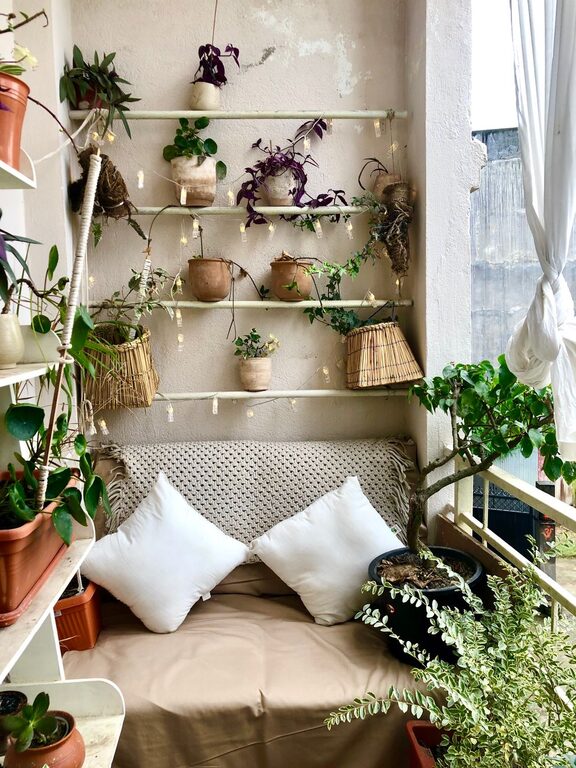
A small balcony can become one of the most inviting spaces in your home. With a few thoughtful choices, even a narrow outdoor area can feel comfortable, stylish, and useful. The key is to focus on comfort, flexible furniture, warm details, and a layout that makes the most of every inch.
Whether you want a quiet place for morning coffee, a spot to read, or a relaxing area for evening conversations, these simple ideas can help you create a cozy balcony without a major renovation.
Start With a Simple Plan
Before buying furniture or accessories, take a close look at your balcony. Measure the length and width, and note the locations of doors, railings, windows, and outdoor outlets. These details will help you choose items that fit comfortably without blocking movement.
Think about how you want to use the space. A balcony designed for reading may need one comfortable chair and a small table. If you enjoy meals outdoors, a compact bistro set may be more useful. For a relaxing lounge area, floor cushions or a narrow bench can create a comfortable setup.
Try to choose one main purpose rather than filling the balcony with too many items. A clear plan will make the space feel more open and organized.
Choose Furniture That Fits
Furniture has the biggest effect on how a small balcony feels. Look for pieces that are compact, lightweight, and easy to move.
Good choices include:
- Foldable chairs and tables
- Narrow benches with built-in storage
- Small bistro sets
- Outdoor stools that can serve as seats or tables
- Floor cushions and low lounge chairs
Avoid oversized furniture that leaves little room to walk. Before purchasing a piece, use painter’s tape to mark its footprint on the floor. This quick step can help you picture how much space it will take up.
Furniture with more than one purpose is especially useful. A storage bench can hold blankets, gardening tools, or cushions while also providing seating. A small stool can work as a side table when needed and a seat when guests visit.
Add Comfortable Textiles
Soft textiles can make a balcony feel warmer and more inviting. Outdoor cushions, seat pads, and rugs add comfort while also helping define the area.
Choose materials made for outdoor use, especially if the balcony is exposed to rain or strong sunlight. Look for fabrics that are easy to clean and designed to resist fading. If your balcony is covered, you can use a wider range of decorative textiles, but it is still helpful to store them indoors during bad weather.
Consider adding:
- A washable outdoor rug
- Cushions in coordinating colors
- A lightweight throw for cool evenings
- Water-resistant pillows
A rug can make a small balcony feel more like an outdoor room. Choose a size that fits beneath the main furniture without covering every inch of the floor. A simple pattern can add interest, while a solid color may make the area feel calmer and less crowded.
Use Warm, Layered Lighting
Lighting can change the mood of a balcony as soon as the sun goes down. Soft, warm light usually feels more relaxing than bright, cool-toned lighting.
String lights are a popular choice because they take up very little space. Attach them securely along a wall, railing, or overhead structure, following local building and safety guidelines. Battery-powered lanterns and rechargeable table lights are also useful when outdoor outlets are not available.
You can create a layered look with:
- String lights for a gentle glow
- A small lantern on a table
- Solar lights for planters or railings
- A portable lamp designed for outdoor use
Avoid placing open flames where they could be knocked over or come into contact with curtains, plants, or other flammable materials. Flameless candles can provide a similar atmosphere with less worry.
Bring in the Right Plants
Plants add color, texture, and a natural feeling to a balcony. They can also make a plain space feel more private and peaceful.
Choose plants based on the amount of sunlight your balcony receives. A sunny balcony may be suitable for herbs, flowering plants, or drought-tolerant varieties. A shaded balcony may work better with plants that prefer indirect light.
To save floor space, use vertical solutions such as:
- Wall-mounted planters
- Railing boxes secured according to safety requirements
- Hanging baskets
- A narrow plant stand
- Stacked pots of different sizes
Keep the number of plants balanced. Too many containers can make a small balcony feel crowded and may make cleaning more difficult. Grouping plants at different heights creates visual interest without using much additional space.
If you have pets or young children, check that the plants you select are appropriate for your household.
Create Privacy Without Blocking the Space
Privacy can make a balcony feel more comfortable, especially in a busy neighborhood. You do not need to cover the entire area to create a sense of separation.
Try a few of these options:
- A tall, narrow plant screen
- Outdoor curtains on a secure rod
- A decorative privacy panel
- A bamboo-style screen approved for outdoor use
- A trellis with climbing plants
Choose a solution that still allows airflow and does not place extra weight or pressure on the railing. If you rent your home, select removable options that do not require permanent changes.
Light-colored screens and curtains can help maintain an open feeling, while darker materials create a more enclosed atmosphere. Use the option that best matches your preferred level of privacy.
Make Use of Vertical Space
When floor space is limited, look up. Walls, railings, and corners can provide useful storage and decoration areas.
A slim wall shelf can hold small plants, books, or outdoor accessories. Hooks can keep folding chairs, lanterns, or gardening tools off the floor. A narrow corner shelf can add storage without interfering with the main seating area.
Be careful when mounting anything outdoors. Use hardware suitable for the surface and weather conditions, and follow any building or rental rules. Items attached to railings should be secure and should not create a hazard for people below.
Choose a Calm Color Palette
A small space often looks more polished when its colors work together. Start with two or three main shades, such as warm neutrals with green, blue, or terracotta accents.
A coordinated color palette can make the balcony feel larger because the individual pieces do not compete for attention. You can add personality through cushions, planters, and small decorative items rather than using many different colors.
Natural materials such as wood, woven fibers, and cotton can also make the area feel welcoming. If you use outdoor-safe versions of these materials, they will be easier to maintain over time.
Keep the Balcony Easy to Maintain
A cozy balcony should also be practical. Leave enough room to sweep, water plants, and open the balcony door fully. Choose furniture that can be folded or moved when necessary.
Create a simple routine that includes:
- Wiping down furniture regularly
- Removing fallen leaves and dirt
- Checking plant containers for standing water
- Storing soft items during severe weather
- Inspecting lights, hooks, and screens for loose parts
Storage baskets or a compact outdoor box can help keep cushions and accessories organized. When everything has a place, the balcony will be easier to enjoy and less likely to become cluttered.
Finish With Personal Details
The final touches are what make the space feel like yours. Add a favorite mug, a small piece of weather-resistant art, or a tray for books and snacks. Keep decorations limited to a few meaningful items so the balcony remains comfortable rather than crowded.
A small balcony does not need expensive furniture or a complete makeover. By combining comfortable seating, soft lighting, greenery, and smart storage, you can create a welcoming outdoor retreat that fits your lifestyle. Focus on the details that help you relax, and let the space grow naturally over time.