
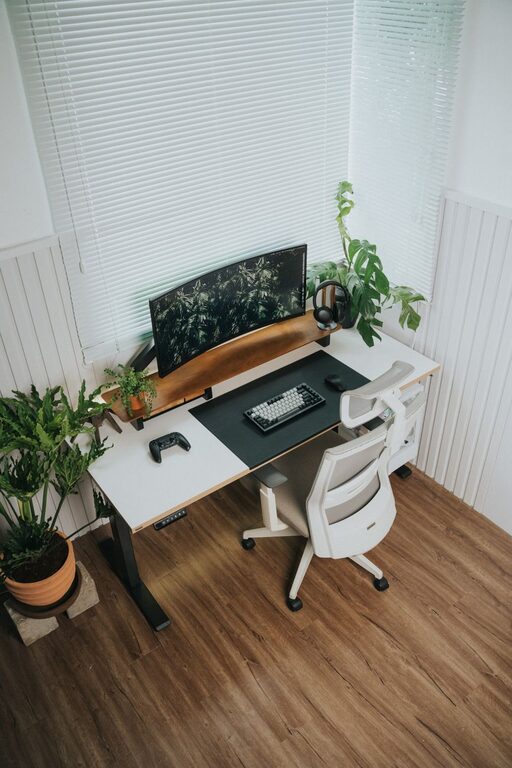
Working from home can be more enjoyable when your workspace feels calm, comfortable, and welcoming. A relaxing home office does not need expensive furniture or a large room. With a few thoughtful changes, you can create an area that supports focus while helping you feel more at ease throughout the day.
Choose the Right Location
Start by selecting the best available spot in your home. If you have a separate room, use it as a dedicated office. If not, look for a quiet corner in a bedroom, living room, or dining area.
Try to choose a location that:
– Receives natural light
– Has enough room for your desk and chair
– Is away from heavy foot traffic
– Offers access to power outlets
– Can be kept reasonably tidy
– Feels separate from places used for rest or entertainment
A dedicated location can make it easier to begin and end your workday. Even a small area can feel distinct when you use a rug, shelf, room divider, or different wall color to define it.
Select a Comfortable Desk and Chair
Comfort should be a priority when choosing office furniture. Your desk should provide enough space for your computer, notebook, water bottle, and any tools you use regularly. A desk that is too small can quickly become cluttered, while one that is too large may overwhelm a compact room.
Look for a chair that supports an upright, natural sitting position. Your feet should rest comfortably on the floor, and your screen should be positioned so you do not need to bend your neck downward for long periods.
You can also improve comfort with simple adjustments:
– Place your monitor at a comfortable viewing height
– Keep your keyboard and mouse within easy reach
– Use a footrest if your feet do not rest flat
– Adjust the chair height so your arms can rest naturally
– Add a small cushion if the chair feels too firm
A comfortable setup reduces distractions and makes the workspace more pleasant to use.
Make the Most of Natural Light
Natural light can make a room feel more open and inviting. If possible, position your desk near a window without placing the screen directly in front of it. Strong sunlight behind the monitor can create glare, while light directly behind you may reflect off the screen.
Light curtains or adjustable blinds can help control brightness throughout the day. You may also want to rotate your desk slightly so that daylight comes from the side.
When natural light is limited, use a combination of overhead and task lighting. A desk lamp with a soft, adjustable glow can provide focused light without making the entire room feel harsh. Choose a lamp that fits the size of your desk and can be moved when needed.
Use Calming Colors and Materials
Color has a strong effect on the atmosphere of a room. Soft neutrals, gentle greens, muted blues, and warm earth tones can create a calm background without making the space feel dull.
You do not need to repaint the entire room. Consider adding color through:
– A desk mat
– Curtains or blinds
– Wall art
– Storage boxes
– A small rug
– Cushions or other fabric items
Natural materials can also make a workspace feel warmer. Wooden accessories, woven baskets, ceramic containers, and cotton textiles add texture and help balance the harder surfaces of a desk and computer.
Keep the overall palette simple. Two or three main colors are often enough to create a coordinated look.
Keep Clutter Under Control
A relaxing workspace is easier to maintain when everything has a place. Clutter can make even a large desk feel crowded, so focus on storing items according to how often you use them.
Keep daily essentials within reach, and move less frequently used supplies to a drawer, cabinet, or shelf. Small organizers can hold pens, chargers, sticky notes, and other loose items.
Useful storage ideas include:
– Drawer dividers for small supplies
– Cable clips to guide cords
– A file holder for active documents
– Baskets for items that do not need to stay on the desk
– Wall shelves for books and decorations
– A small tray for frequently used objects
At the end of each workday, spend a few minutes returning items to their proper places. This simple habit helps the workspace feel ready for the next morning.
Add a Touch of Nature
Plants can make a workspace feel more inviting and connected to the outdoors. Choose varieties that suit the available light and the amount of care you want to provide. A small plant on a shelf or desk can add color without taking up much room.
If live plants are not practical, consider other natural details, such as:
– Fresh flowers
– A small bowl of stones
– A wooden picture frame
– Nature-inspired artwork
– A vase with dried branches
Avoid filling every surface with decorations. A few carefully chosen items can make the room feel personal while preserving a clean and peaceful appearance.
Manage Sound and Distractions
Noise can make it difficult to relax or concentrate. If your workspace is near a busy area, look for simple ways to soften unwanted sound. A rug, curtain, or upholstered chair can help reduce the sense of echo in a room.
You might also use:
– A closed door when possible
– Soft background music
– A quiet fan
– Noise-reducing headphones
– A room divider to create visual separation
Keep background audio gentle and consistent. If music becomes distracting, try instrumental tracks or natural sounds at a low volume.
Create a Simple Workday Routine
The design of your workspace matters, but your routine matters too. A few repeatable habits can help you use the area in a calmer, more organized way.
Begin the day by clearing the desk and identifying your main priorities. During breaks, step away from the screen and change your surroundings, even if only for a few minutes. At the end of the day, close open tasks, put away supplies, and turn off work equipment when possible.
You can also create a small transition ritual, such as making tea, opening a window, or writing down tomorrow’s first task. These actions help mark the beginning and end of your work time.
Personalize the Space Carefully
Your workspace should reflect your personality, but it should also remain practical. Add one or two objects that make you feel comfortable or inspired, such as a favorite photograph, a framed print, or a meaningful keepsake.
Try not to overcrowd the desk with personal items. A clear work surface makes it easier to focus and gives decorative pieces more visual impact.
The goal is to create a space that feels like yours without becoming another source of distraction.
Refresh the Workspace Regularly
Your needs may change over time. Every few weeks, review the workspace and ask what is working well and what could be improved. You may need better lighting, additional storage, or a different arrangement of furniture.
Small updates can make a noticeable difference. Move the desk, remove unused items, replace a worn-out accessory, or introduce a new plant. A relaxing home workspace is not created all at once; it develops through regular attention and small improvements.