
Why Plan a Family Game Night?
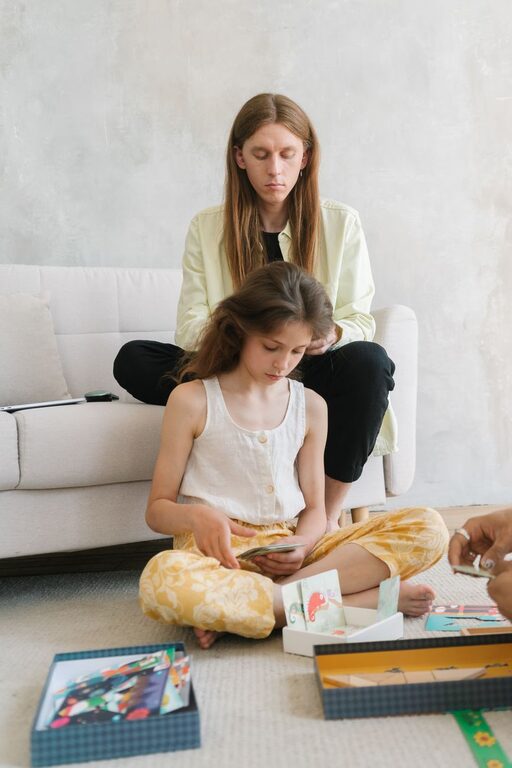
Family game night is an easy way to spend quality time together without screens, travel, or complicated planning. A few simple games can encourage conversation, laughter, creativity, and friendly competition.
The best game nights are relaxed rather than perfect. Choose activities that fit your family’s ages and interests, prepare a few snacks, and make space for everyone to participate. You can plan a full evening or enjoy a quick game after dinner.
Set the Scene
A little preparation can make the night feel special. Choose a comfortable area with enough room for players to sit and reach the game board, cards, or other supplies.
Consider adding a few simple touches:
– Clear the table and set out the games before dinner.
– Prepare easy snacks and drinks.
– Use a small lamp or string lights to create a cozy atmosphere.
– Let family members take turns choosing the music.
– Put phones and other devices aside during the games.
– Create a short schedule if you plan to play several activities.
You do not need decorations or expensive supplies. The goal is to create a welcoming space where everyone can focus on having fun together.
Choose Games for Different Ages
When selecting games, think about the youngest player, the attention span of the group, and how much time you have. Games with simple rules are often the best choice when family members have different ages or experience levels.
Look for activities that offer:
– Easy instructions
– Short rounds
– Opportunities for teamwork
– Flexible rules
– Different ways to participate
– A balance between luck, skill, and creativity
It can also help to include both cooperative and competitive games. Cooperative games allow everyone to work toward a shared goal, while competitive games add excitement and playful challenge.
Classic Board and Card Games
Classic games are a dependable choice for family night because many people already know how to play them. They are also easy to find and often offer several rounds of fun.
Try games such as:
– Checkers
– Chess
– Dominoes
– Bingo
– Go Fish
– Uno
– Crazy Eights
– Matching games
– Word games
– Simple trivia games
For younger children, matching games and picture-based bingo can be engaging. Older children and adults may enjoy strategy games, word challenges, or trivia.
If a game has complicated rules, simplify them for the first round. Once everyone understands the basic idea, you can add more rules or variations.
Team-Based Game Ideas
Team games can make family night more welcoming, especially when one person does not enjoy direct competition. Divide the family into pairs or small groups, mixing ages when possible.
Here are a few easy team activities:
Family Trivia
Prepare questions about animals, movies, food, geography, hobbies, or family memories. Each team writes down an answer, and points are awarded for correct responses.
You can make the game more personal by including questions such as:
– Who can name everyone’s favorite snack?
– What was the family’s last vacation destination?
– Who usually wakes up earliest?
– Which pet or family member has a funny habit?
Charades
Write simple words or phrases on slips of paper. Players take turns acting them out without speaking while their team tries to guess the answer.
Use categories that work for your group, such as animals, sports, jobs, or household objects. Younger children can draw pictures instead of reading the cards.
Build Together
Give each team a small set of building blocks, paper cups, or craft supplies. Set a timer and ask them to create a tower, bridge, vehicle, or imaginary building.
Afterward, each team can explain its design. This turns the activity into both a building challenge and a storytelling game.
Creative Games Without a Board
You can have a great game night without buying anything. Many creative activities use items already found around the house.
Drawing Challenge
Give everyone paper and drawing materials. Choose a subject, set a timer, and start drawing. The goal can be accuracy, humor, or originality.
Possible prompts include:
– Draw a dream house.
– Invent a new animal.
– Illustrate a family vacation.
– Design a superhero costume.
– Create a restaurant menu.
– Draw an object without lifting the pencil.
At the end, display the drawings and let everyone share what they created.
Story Building
One person begins a story with a sentence. Each player adds one sentence at a time. The story can become silly, adventurous, or mysterious as it moves around the room.
For a variation, place several random objects on the table. Each player must include one object in the next part of the story.
Homemade Scavenger Hunt
Write clues that lead players from one area of the home to another. The final clue can lead to a small prize, a dessert, or a family activity.
For younger children, use pictures or simple descriptions. For older children, make the clues into riddles or word puzzles.
Add a Friendly Tournament
If your family enjoys competition, organize a simple tournament. Choose three or four games and create a points system. Players can earn points for winning, completing a challenge, or showing good teamwork.
Keep the scoring easy to understand. For example:
– First place earns three points.
– Second place earns two points.
– Participation earns one point.
– A special bonus goes to the best team name or funniest moment.
The prize does not need to be expensive. It could be choosing the next movie, selecting dessert, or deciding the theme for the next game night.
Remember that the tournament should remain lighthearted. If a player becomes frustrated, switch to a cooperative activity or take a short snack break.
Plan Fun Snacks
Snacks are an important part of the experience, but they do not need to be complicated. Choose foods that are easy to serve and unlikely to create a large mess near the games.
Good options include:
– Popcorn
– Pretzels
– Fruit slices
– Crackers and cheese
– Vegetable sticks
– Mini sandwiches
– Cookies
– Homemade trail mix
– Lemonade or hot chocolate
Consider giving the snack table a theme. A movie-themed night could include popcorn and candy, while a travel-themed night could feature foods inspired by different places.
Use small bowls and cups so players can grab a snack without reaching across the game board.
Make Everyone Feel Included
A successful family game night gives every person a chance to participate. Let family members take turns choosing games, explaining rules, keeping score, or preparing snacks.
If someone does not want to play, offer another role. They might enjoy being the quiz host, timekeeper, photographer, or storyteller.
It is also helpful to avoid eliminating players too early. Games that keep everyone involved until the end are often more enjoyable for children and larger groups.
Create a Simple Tradition
The easiest way to keep game night going is to make it a regular tradition. Choose one evening each week or month, and let the family help plan it.
You could create rotating themes such as:
– Board game night
– Puzzle night
– Team challenge night
– Indoor carnival night
– Creative game night
– Card game night
– Family trivia night
Keep expectations flexible. Some nights may include several games, while others may involve one quick activity and a favorite snack.
Most importantly, focus on connection rather than winning. With a few games, simple food, and time together, family game night can become a favorite tradition at home.