
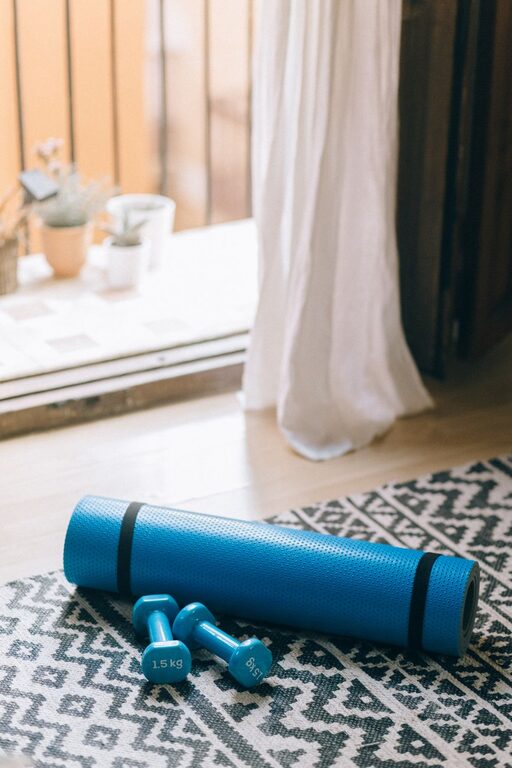
Creating a workout corner at home does not require a large room, expensive equipment, or a complete renovation. With a small amount of planning, you can turn part of a bedroom, living room, garage, or home office into a comfortable space for regular exercise.
A dedicated workout area can make it easier to stay consistent. When your equipment is visible, organized, and ready to use, starting a workout takes less effort. The goal is not to build a professional gym. It is to create a simple, inviting corner that supports the types of movement you enjoy.
Choose the Right Location
Start by looking for an area that gives you enough room to move safely. You may only need a section of floor, but the space should allow you to stand, stretch, bend, and take a few steps in different directions.
Good locations may include:
– A quiet corner of a bedroom
– Part of a living room
– A section of a home office
– An unused area near a staircase
– A garage or basement
– A covered outdoor space, where suitable
Consider the surface, lighting, airflow, and noise level. A hard floor can work well for standing exercises, but it may be uncomfortable for floor-based movements. If possible, choose a spot with natural light or add a lamp to make the area feel more welcoming.
Keep walkways, doors, windows, and furniture in mind. Your workout corner should not block regular household activities.
Measure Before You Buy
Use a measuring tape to check the available floor area. Mark the boundaries with painter’s tape or removable floor markers. Then test a few basic movements, such as reaching overhead, stepping from side to side, and lying down.
This simple test helps you avoid buying equipment that does not fit. It also gives you a better idea of how much open space you actually need.
Start With the Essentials
A useful workout corner can begin with just a few basic items. Choose equipment that supports several types of exercise rather than buying many single-purpose products.
A practical starter setup may include:
– An exercise mat
– A resistance band set
– A pair of light or medium dumbbells
– A stable step or low platform
– A storage basket or small shelf
– A towel and water bottle
An exercise mat creates a clear boundary for your workout and provides a more comfortable surface for floor exercises. Resistance bands are lightweight, affordable, and easy to store. Dumbbells can add variety to strength exercises, while a step can be used for simple step-ups and other movements.
Choose equipment based on your interests and available space. If you prefer bodyweight workouts, you may need very little beyond a mat. If you enjoy strength training, adjustable weights may save space compared with several pairs of fixed dumbbells.
Make Safety a Priority
A home workout area should be arranged with safety in mind. Remove small objects, loose cords, and anything that could cause you to trip. Check that the floor is dry and that equipment is in good condition before using it.
Keep enough clearance around your workout space. Avoid placing weights near glass doors, sharp furniture edges, or unstable shelves. If you use a step or platform, make sure it sits firmly on the floor and does not rock.
Store heavier items on lower shelves or near the floor. This makes them easier to lift and reduces the chance of items falling. Resistance bands should be checked regularly for cracks, thinning, or other signs of wear.
Good lighting is also important. A bright, clear space makes it easier to see your equipment and maintain awareness of your surroundings.
Organize Equipment for Easy Access
Organization can make your workout corner more useful and attractive. The best storage system is one that allows you to find everything quickly and put it away just as easily.
Try these simple storage ideas:
– Use a basket for bands, jump ropes, and small accessories
– Place dumbbells on a low shelf or compact rack
– Hang resistance bands on wall hooks designed for their weight
– Store the mat upright behind a door or beside a cabinet
– Use a narrow shelf for towels, a timer, and cleaning supplies
– Keep a small container for clips, handles, or other attachments
Avoid overcrowding the area. If equipment is piled on the floor, it may make the corner harder to use. Choose storage that fits the size of your space instead of trying to fill every available wall or shelf.
A small label or simple equipment list can also help keep the area organized, especially if other members of your household use it.
Add Comfort and Personality
A workout corner should feel functional, but it can also reflect your style. A few thoughtful details may make you more likely to use the space.
Consider adding:
– A mirror for checking movement and posture
– A small speaker for music or guided workouts
– A clock or simple timer
– A plant that suits the light level
– A washable basket for towels
– A framed print or calm wall color
– A fan or nearby source of airflow
Keep decorations limited if space is tight. The main purpose of the corner is movement, so useful items should remain easy to reach.
A mirror can make a small area feel larger, but it is not essential. If you add one, secure it properly and position it where it will not be struck by moving equipment.
Plan a Simple Workout Routine
Your workout corner will be more valuable if you know how you plan to use it. Create a basic routine that fits your schedule and interests. You might alternate between strength exercises, stretching, balance work, and light cardio.
For example, a simple weekly plan could include:
– Two days of basic strength exercises
– Two days of stretching or mobility work
– One day of light cardio or active movement
– One or two rest days
Keep your first routines short and realistic. A 15- or 20-minute session can be easier to maintain than an ambitious plan that quickly becomes difficult to follow.
You can write a few favorite exercises on a card and keep it near the mat. Another option is to save a small selection of beginner-friendly workout videos so you do not spend too much time deciding what to do.
Build Consistent Habits
A workout corner works best when it becomes part of your daily routine. Choose a regular time for exercise, such as before breakfast, after work, or during a scheduled break.
Prepare the space in advance by placing the mat where it is easy to see and keeping commonly used equipment nearby. After each session, return items to their storage location and wipe down surfaces as needed.
Avoid judging the setup by how often you use it during the first few weeks. Building a habit takes time. Focus on showing up regularly, even when your workout is short.
Every few weeks, review the space. Remove equipment you do not use, repair or replace worn items, and adjust the layout if something feels inconvenient.
Expand Gradually
There is no need to buy everything at once. Start with the basics and add equipment only when you have a clear reason for it. Before making a purchase, ask whether the item supports your routine, fits your space, and can be stored safely.
You may eventually add a kettlebell, foam roller, pull-up bar, adjustable bench, or additional resistance bands. Choose one item at a time and make sure it adds useful variety rather than unnecessary clutter.
The best home workout corner is simple, comfortable, and easy to use. By choosing the right location, keeping equipment organized, and creating a routine that fits your life, you can build a practical space that supports regular movement without taking over your home.